



Did you know?
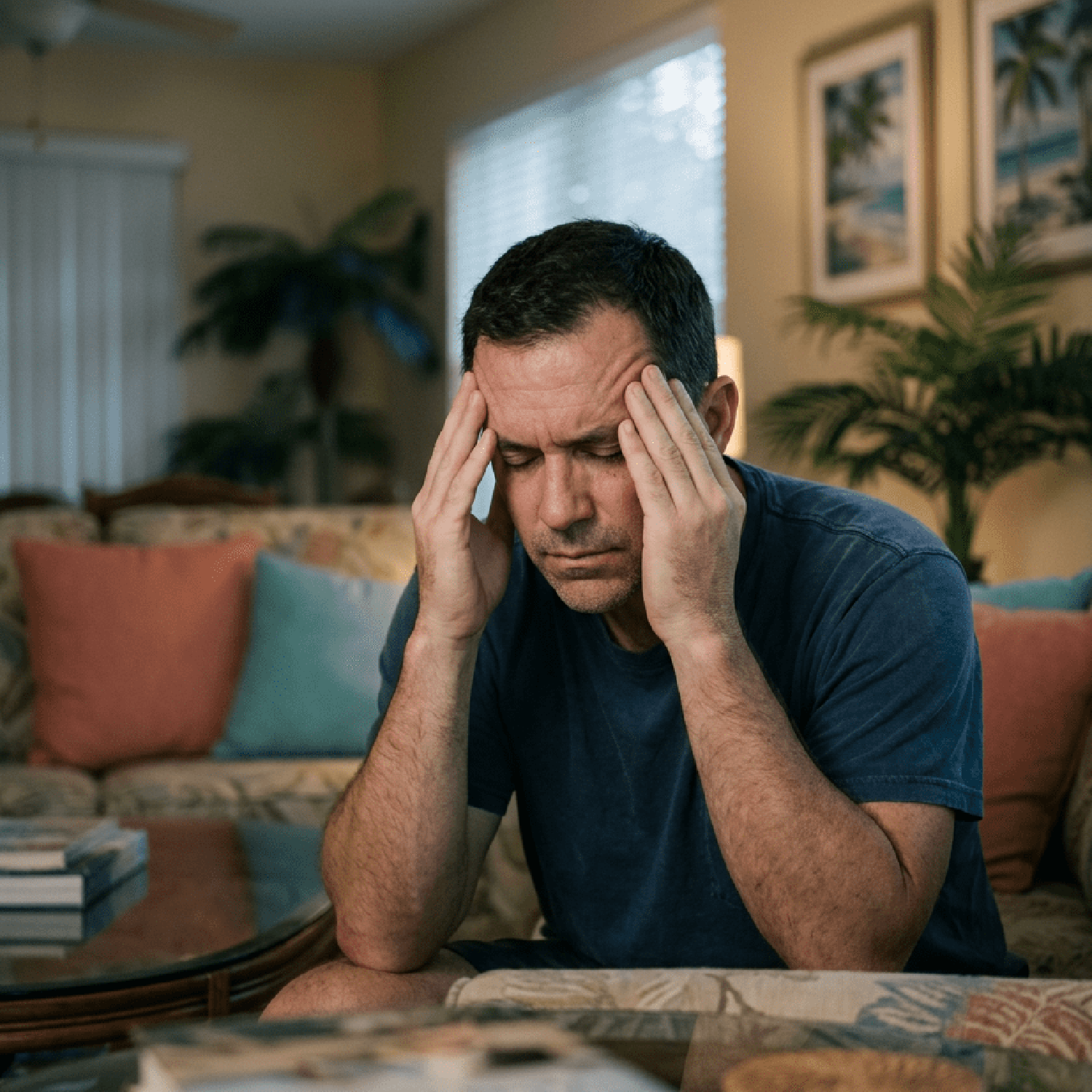
An estimated 40 million Americans live with migraines, making it one of the most common neurological conditions in the U.S. It affects roughly 1 in 4 households.
Signs and symptoms may include:
- Throbbing or pulsating pain on one or both sides of the head
- nausea/vomiting
- Sensitivity to lights, sounds, and smells
- Mood changes
If you are experiencing any or all of these symptoms, you can schedule a visit today.
While there are several medications available for migraine relief, here are some things you can do to try to eliminate or prevent the onset of a migraine:
- Ensure that you’ve had a recent eye exam and that your corrective lenses prescription doesn’t need to be adjusted.
- Take frequent breaks from blue light exposure (i.e., computers, TVs, smartphones, iPad/tablets, and other similar light sources). If you are exposed to prolonged blue light, consider blue light blocker glasses.
- Ensure that you are drinking adequate water daily as dehydration can trigger headaches and other issues.
- Keep a food log. Some foods, such as energy drinks, alcoholic beverages, Aspartame (diet/sugar-free products), cheese, chocolate, coffee, soda, MSG (a.k.a. monosodium glutamate, commonly found in soy sauce and processed snacks), meat tenderizers, and seasoned salt (Sazon/Adobo) can trigger migraines. Keeping track of what you ate prior to your migraine can help you determine patterns and foods that might need to be avoided.
- Avoid synthetic fragrances—commonly found in perfumes, body sprays, plug-ins, air fresheners, soaps, lotions and other hygienic products. Opt for lighter natural fragrances or better fragrance-free options.
- Avoid tobacco/second-hand smoke. Tobacco smoke directly triggers headaches and worsens migraines by reducing oxygen to the brain and narrowing blood vessels, which alters blood flow.
If you are experiencing mild/moderate persistent headaches/migraines, click here to make an online appointment.
When to report to the emergency room:
- Thunderclap headaches—If you are experiencing the worst headache of your life (severe), unlike any other headache you’ve had.
- Headaches accompanied by new-onset confusion, impaired alertness, balance issues, neck stiffness, and changes in vision. These could be signs of a potential mass, stroke, infection, or other medical emergencies.
- Headache with a diagnosis of HIV, cancer, pregnancy, or use of blood thinners.
When to seek an in-person visit:
- If you have recurring, persistent headaches—more than four headache days per month or if your symptoms interfere with daily life, make an appointment with your PCP.
- Headache with blood pressure over 150/90. You can test your blood pressure at a local pharmacy or some supermarkets.
By sustaining all of the preventive methods listed above, you should experience relief, or at the very least, rule out possible causes. None the less, we’re here for you if you need an appointment for mild to moderate, persistent headaches/migraines.